

Unlocking the Power of Research Peptides: Revolutionizing Disease Treatment
In the rapidly evolving landscape of biomedical science, research peptides have emerged as one of the most promising frontiers for innovative therapies. These small chains of amino acids, often mimicking natural proteins in the body, hold immense potential to transform how we approach chronic and life-threatening diseases. From cancer to diabetes and neurodegenerative disorders like Alzheimer’s, peptides are being studied for their ability to target specific biological pathways with precision, minimizing side effects compared to traditional drugs. But what exactly are research peptides, and why are they generating such excitement in the medical community?
This comprehensive blog post dives deep into the world of research peptides. We’ll explore their definition, structure, and function, backed by the latest scientific insights. We’ll also examine their therapeutic potential across various diseases, supported by real-world examples from ongoing studies. To make this exploration vibrant and engaging, I’ve included reference images from reliable sources on the internet, illustrating key concepts like molecular structures and mechanisms. By the end, you’ll understand not only the science but also the challenges and future prospects of peptide-based treatments. Note that all information here is for educational purposes, and research peptides are not approved for human use outside clinical trials.
What Are Peptides? The Building Blocks of Life
Peptides are short chains of amino acids, the fundamental units that make up proteins. Unlike proteins, which can consist of hundreds or thousands of amino acids, peptides typically range from 2 to 50 amino acids long. This smaller size gives them unique properties: they’re more stable, easier to synthesize, and can penetrate cells more effectively. In the human body, peptides play crucial roles in signaling, hormone regulation, and immune response. For instance, insulin—a well-known peptide hormone—regulates blood sugar levels, while endorphins act as natural painkillers.
The structure of a peptide is formed through peptide bonds, where the carboxyl group of one amino acid links to the amino group of another, releasing water in the process. This creates a backbone that’s flexible yet specific in function, depending on the sequence of amino acids.
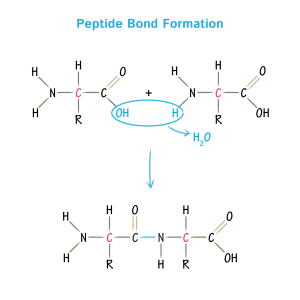
As shown in the image above, the formation of a dipeptide illustrates this bond, highlighting how peptides assemble. Research peptides are synthetic versions designed in labs to mimic or enhance these natural functions. They’re not to be confused with over-the-counter supplements; true research peptides are pure, lab-grade compounds used in scientific studies to probe biological mechanisms.
Why the focus on peptides? Their specificity is key. Peptides can bind to receptors on cell surfaces with high affinity, triggering precise responses without widespread disruption. This “lock-and-key” mechanism reduces off-target effects, a common issue with small-molecule drugs.
In nature, peptides like antimicrobial peptides defend against infections by disrupting bacterial membranes, while others like glucagon-like peptide-1 (GLP-1) regulate metabolism.
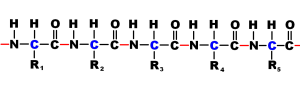
To visualize peptide diversity, consider this structure of a simple peptide chain:
345
This image depicts the backbone of a polypeptide, showing how side chains (R-groups) determine function. In research, modifying these chains allows scientists to create peptides tailored for disease treatment.
Peptides are classified by origin: endogenous (body-produced) or exogenous (synthetic). Research focuses on the latter, often engineered for better bioavailability or stability. For example, cyclic peptides form rings for increased resistance to degradation.
Their small size also enables oral or nasal delivery, unlike larger proteins that require injections.
In summary, peptides are versatile molecules bridging chemistry and biology. Their role in health is profound, and research peptides amplify this potential by allowing controlled experimentation.
Defining Research Peptides: From Lab to Therapeutic Hope
Research peptides are synthetic or semi-synthetic amino acid chains used exclusively in scientific investigations. Unlike pharmaceutical peptides (e.g., insulin for diabetes), research versions are not FDA-approved for human use and are labeled “for research purposes only.” They enable scientists to study cellular processes, disease mechanisms, and potential treatments in controlled environments like cell cultures or animal models.
What sets research peptides apart? Purity and specificity. Labs produce them with over 99% purity to ensure reliable results. Common examples include BPC-157 for tissue repair or Melanotan II for skin pigmentation studies. These are not “medicines” but tools to uncover how peptides interact with the body.
The history of peptide research dates back to the 1950s with the synthesis of oxytocin, a peptide hormone. Today, advances in solid-phase peptide synthesis (SPPS) allow rapid production. This method builds peptides step by step on a resin support, revolutionizing drug discovery.
Research peptides differ from natural ones in modifications: acetylation for stability or conjugation with carriers for targeted delivery. They’re regulated strictly; in the US, they’re legal for research but illegal for personal use without prescription.
To illustrate synthesis, here’s a diagram of SPPS:
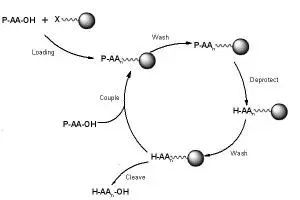
This image shows the iterative addition of amino acids, a cornerstone of research peptide creation.
In practice, researchers use peptides to model diseases. For instance, amyloid-beta peptides are studied in Alzheimer’s models to understand plaque formation. The goal is translation to therapeutics, but this requires rigorous testing.
Research peptides are sourced from specialized suppliers, with quality assured by HPLC and mass spectrometry. Misuse risks contamination or incorrect dosing, highlighting why they’re lab-only.
How Peptides Work in the Body: Mechanisms and Pathways
Peptides exert effects by binding to receptors, enzymes, or other molecules. As signaling molecules, they trigger cascades like hormone release or gene expression.
Take GLP-1 analogs: They bind GLP-1 receptors on pancreatic cells, stimulating insulin secretion and suppressing glucagon. This regulates blood sugar, useful in diabetes research.
In the immune system, peptides like thymosin alpha-1 modulate T-cell function, enhancing antiviral responses.
Antimicrobial peptides (AMPs) disrupt bacterial membranes via electrostatic interactions, forming pores that cause leakage.
For cancer, peptides target overexpressed receptors, delivering toxins or inhibiting growth factors.
Peptides can also inhibit enzymes. ACE inhibitors like captopril (a peptide mimetic) lower blood pressure by blocking angiotensin-converting enzyme.
In the brain, neuropeptides like substance P transmit pain signals, while others like vasopressin regulate memory.
Bioavailability is a challenge; oral peptides degrade in the stomach, so research explores modifications like cyclization or nanoparticle delivery.
Overall, peptides’ mechanisms are diverse, from direct binding to modulating gene expression, making them ideal for targeted therapy.
The Potential of Peptides in Treating Cancer
Cancer research has seen a surge in peptide applications due to their selectivity. Anticancer peptides (ACPs) disrupt tumor cell membranes or induce apoptosis. For example, HPRP-A1-TAT hybrid peptide causes rapid leakage in cancer cells.
Tumor-homing peptides guide nanoparticles to sites, enabling targeted chemotherapy. Bombesin peptides bind receptors overexpressed on tumors, aiding imaging and therapy.
CMV peptides stimulate immune attacks on tumors, as in NCI studies where they killed cancer cells effectively.
Peptide vaccines, like those from common beans, exhibit antiproliferative effects.
DCTPep database catalogs cancer therapy peptides, highlighting their growing role.
Challenges include stability, but hybrids like BT1718 show promise in clinical trials.
Peptides could revolutionize cancer treatment by offering low-toxicity alternatives.
Peptides in Diabetes Management: A Sweet Solution
Diabetes affects millions, and peptides like GLP-1 agonists (e.g., liraglutide) improve glycemic control. They stimulate insulin and reduce appetite.
Bioactive peptides from food sources lower blood glucose by inhibiting enzymes like DPP-4. Walnut peptides protect pancreatic cells.
A breakthrough peptide chain of 44 amino acids reduces eating and boosts calorie burn in models.
Stapled peptides enhance stability for metabolic disorders.
GLP-1 drugs like Ozempic are effective but complex.
Future peptides may reverse type 1 diabetes in models.
Tackling Alzheimer’s with Peptides: Memory’s New Ally
Alzheimer’s involves amyloid plaques; peptides like NAP inhibit aggregation. A CDK5-blocking peptide reduces neurodegeneration in mice.
Plant-derived peptides from walnuts protect neurons.
Synthetic alpha-sheet peptides inhibit toxic aggregates.
Five-mer peptides prevent memory deficits in models.
Plasma peptides linked to AD pathology offer biomarkers.
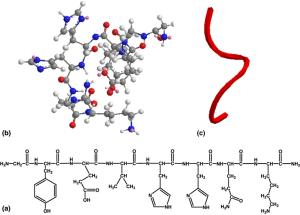
This image shows protein folding relevant to AD peptides.
Stapled peptides and intranasal deliveries show promise.
Broader Applications: Peptides in Other Diseases
Peptides treat cardiovascular diseases by modulating PPIs. In infections, AMPs combat bacteria. Autoimmune conditions benefit from immune-modulating peptides.
For metabolic syndromes, peptides like those in food sources improve health.
Risks and Regulations: Navigating the Peptide Landscape
Peptides pose risks like immunogenicity or toxicity if impure. Unregulated sources risk contamination.
FDA oversight is strict; peptides are unapproved for compounding in many cases. RUO peptides can’t be used in humans.
Side effects include allergies or hormonal imbalances. Enforcement targets unsafe manufacturers.
Regulations ensure safety but slow progress.
The Future of Peptide Therapy: Horizons Ahead
Peptide therapeutics are expanding, with platforms for delivery and vaccines. They’re poised for chronic diseases and biotech.
Trends include precision synthesis and cross-industry apps. Blockbusters like GLP-1 agonists pave the way.
Future holds patient-focused innovations.
Conclusion: Peptides as Medicine’s Next Frontier
Research peptides represent hope for disease treatment, from targeted cancer therapies to diabetes management. With careful regulation, their potential is boundless. Stay informed as science advances.
References
1. https://pmc.ncbi.nlm.nih.gov/articles/PMC8844085/
2. https://pmc.ncbi.nlm.nih.gov/articles/PMC8844085/
3. https://pmc.ncbi.nlm.nih.gov/articles/PMC8844085/
4. https://www.ncbi.nlm.nih.gov/books/NBK562260/
5. https://regenerativemc.com/legal-insight-into-peptide-regulation/
6. https://pmc.ncbi.nlm.nih.gov/articles/PMC6017258/
7. https://www.nature.com/articles/s41392-022-00904-4
8. https://pmc.ncbi.nlm.nih.gov/articles/PMC10454368/
9. https://pmc.ncbi.nlm.nih.gov/articles/PMC8616177/
10. https://pmc.ncbi.nlm.nih.gov/articles/PMC10454368/
11. https://pmc.ncbi.nlm.nih.gov/articles/PMC8616177/
12. https://www.nature.com/articles/s41597-024-03388-9
13. https://pmc.ncbi.nlm.nih.gov/articles/PMC8616177/
14. https://pmc.ncbi.nlm.nih.gov/articles/PMC8396489/
15. https://pmc.ncbi.nlm.nih.gov/articles/PMC8469013/
16. https://pmc.ncbi.nlm.nih.gov/articles/PMC8396489/
17. https://pmc.ncbi.nlm.nih.gov/articles/PMC8469013/
18. https://pmc.ncbi.nlm.nih.gov/articles/PMC8469013/
19. https://pubmed.ncbi.nlm.nih.gov/29385735/
20. https://pubmed.ncbi.nlm.nih.gov/34199883/
21. https://pmc.ncbi.nlm.nih.gov/articles/PMC10487952/
22. https://pubmed.ncbi.nlm.nih.gov/34739758/
23. https://pubmed.ncbi.nlm.nih.gov/25371168/
24. https://pubmed.ncbi.nlm.nih.gov/20136121/
25. https://clinicalproteomicsjournal.biomedcentral.com/articles/10.1186/s12014-021-09320-2
26. https://pmc.ncbi.nlm.nih.gov/articles/PMC5808296/
27. https://pmc.ncbi.nlm.nih.gov/articles/PMC5216031/
28. https://pubmed.ncbi.nlm.nih.gov/31140388/
29. https://pmc.ncbi.nlm.nih.gov/articles/PMC8469013/
30. https://pubmed.ncbi.nlm.nih.gov/24646931/
31. https://www.frierlevitt.com/articles/regulatory-status-of-peptide-compounding-in-2025/
32. https://pubmed.ncbi.nlm.nih.gov/31140388/
33. https://floridahealthcarelawfirm.com/the-fda-is-expanding-its-oversight-research-use-only-peptide-businesses-should-be-watching-manufacturing-closely/
34. https://www.frierlevitt.com/articles/regulatory-status-of-peptide-compounding-in-2025/
35. https://www.nature.com/articles/s41392-022-00904-4
36. https://pubmed.ncbi.nlm.nih.gov/40222598/
37. https://www.sciencedirect.com/science/article/pii/S1043661825002646
38. https://pubmed.ncbi.nlm.nih.gov/36608818/
39. https://pubmed.ncbi.nlm.nih.gov/38799624/
40. https://pmc.ncbi.nlm.nih.gov/articles/PMC8396489/
41. https://pubmed.ncbi.nlm.nih.gov/39797595/
42. https://pubmed.ncbi.nlm.nih.gov/31401561/
43. https://pubmed.ncbi.nlm.nih.gov/35838946/
44. https://pubmed.ncbi.nlm.nih.gov/22471248/
45. https://pubmed.ncbi.nlm.nih.gov/25239825/
46. https://pubmed.ncbi.nlm.nih.gov/38327525/
47. https://pubmed.ncbi.nlm.nih.gov/30481494/
48. https://pubmed.ncbi.nlm.nih.gov/30481494/
49. https://pubmed.ncbi.nlm.nih.gov/38008175/
50. https://pubmed.ncbi.nlm.nih.gov/38891063/
51. https://pubmed.ncbi.nlm.nih.gov/31185388/
52. https://pubmed.ncbi.nlm.nih.gov/24227810/
53. https://pubmed.ncbi.nlm.nih.gov/22121103/
54. https://pubmed.ncbi.nlm.nih.gov/15476436/
55. https://pubmed.ncbi.nlm.nih.gov/28111551/
56. https://pubmed.ncbi.nlm.nih.gov/12892964/
57. https://pubmed.ncbi.nlm.nih.gov/17489676/
58. https://www.ncbi.nlm.nih.gov/books/NBK562260/
59. https://pubmed.ncbi.nlm.nih.gov/15320788/
60. https://pubmed.ncbi.nlm.nih.gov/35165272/
61. https://pmc.ncbi.nlm.nih.gov/articles/PMC9598582/
62. https://pubmed.ncbi.nlm.nih.gov/39289339/
63. https://pubmed.ncbi.nlm.nih.gov/15911062/
64. https://pubmed.ncbi.nlm.nih.gov/35104135/
65. https://pubmed.ncbi.nlm.nih.gov/35163367/
66. https://pmc.ncbi.nlm.nih.gov/articles/PMC11377253/
67. https://pmc.ncbi.nlm.nih.gov/articles/PMC3103903/
68. https://pubmed.ncbi.nlm.nih.gov/35165272/
69. https://pmc.ncbi.nlm.nih.gov/articles/PMC8844085/
70. https://pubmed.ncbi.nlm.nih.gov/40222598/
71. https://pubmed.ncbi.nlm.nih.gov/23253135/
72. https://pubmed.ncbi.nlm.nih.gov/40266466/
73. https://pubmed.ncbi.nlm.nih.gov/30856511/
74. https://pubmed.ncbi.nlm.nih.gov/39456236/
75. https://pubmed.ncbi.nlm.nih.gov/33297905/
76. https://pubmed.ncbi.nlm.nih.gov/39413854/
77. https://pubmed.ncbi.nlm.nih.gov/28737935/
